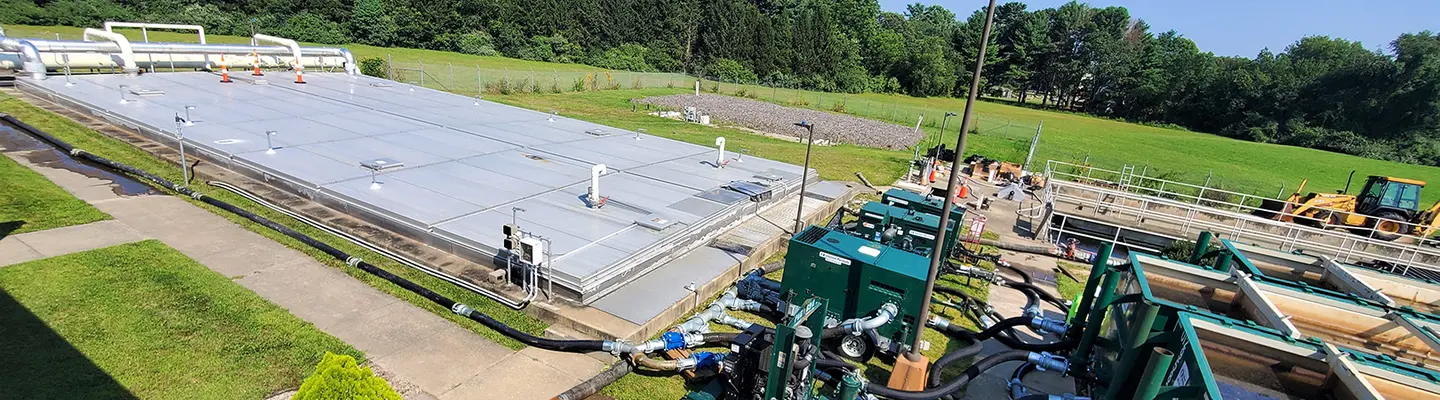
Engineered flush plans consistently deliver the most successful outcomes.
Speed is critical in data center construction. When it comes to flushing the chilled water system prior to commissioning, owners have one demand: “Give us a clean system on time.” Both owners and mechanical system contractors benefit from fast, cost-effective flushes—but shortcuts often backfire. An engineered plan for flushing pipework is the real way to save time and money.
Think of an engineered plan for this mission-critical work as an investment, not an expense. When a data center’s cooling system pipes are flushed properly to remove construction debris, contaminants and residues, the system operates optimally once the data center is online. A clean system reduces the need for unplanned maintenance and repairs and guards against costly emergency shutdowns.
The sooner companies bring in an experienced, reliable partner to assist with an engineered flush design, the more efficient the flush will be.
The value of an engineered flush plan
When flushing is done right, contractors aren’t hit with multiple change orders, and commissioning remains on schedule. But some flushing service providers quote jobs without a proper plan in place, just a list of equipment that may or may not prove appropriate or sufficient once the flush begins.
The process of flushing pipework may seem simple—hook up a pump, open all the valves, and you’re done. But cleaning a system with multiple branches, hundreds of pipes of different diameters and hundreds of valves that control chilled water and refrigerant flows is a complex undertaking.
When a reliable, experienced flushing team tackles a mechanical pipe flush, they first evaluate the cooling system layout and determine the best flushing method and the different flow velocities needed to discharge debris and sediment from every pipe in the system. Guessing at the necessary flow velocities, as some flush providers do, can result in debris and contaminants settling at the bottom of the pipe and causing blockages.
The use of pipe flow software is critical. The software models the overall system design, calculates variables such as the total dynamic head (TDH) required and provides options for the best distribution of water flow through connection points.
Achieving the best outcome with the least expense
Once the engineers know the TDH required, they can choose the right size and type of pump—possibly one with a variable frequency drive to precisely adjust the flow velocity across multiple piping zones—and calculate how fast it should run to produce the desired results with the least energy expenditure and related energy costs.
Experienced engineers also understand the value of dividing some flushing jobs into phases, cleaning one part of the system at a time. This helps ensure that the pumping equipment is deployed in the most economical and effective way.
At each phase, the system should be balanced by opening or throttling different valves. This approach delivers far superior results than fully opening all the valves and hoping for the best.
The dangers of shortcut approaches
The old saying “you get what you pay for” applies to pipe flushing—except that owners may believe they’ve gotten a better deal than they have. Below are three of the potential dangers of partnering with the lowest bidder.
Change orders and schedule extensions
Service providers who don’t use engineering to create a flush plan may base their quote on low flow velocities and short flush durations, then submit change orders when larger pumps or additional connection points or phases are needed. As a result, the job costs more and takes more time than expected.
Ineffective flushes
An ineffective flush may leave debris, sediment, scale or mineral in the pipes that doesn’t become evident until the data center opens. At that point, owners might deal with inefficient cooling operations, clogged pipes, pumps and chillers, unplanned downtime and costly maintenance, which may include additional flushes.
Choosing a turnkey flush partner
Considering its importance, a cooling system flush shouldn’t be an afterthought, and it isn’t a place to skimp. Companies should look for a service provider that:
- Understands how fluid dynamics works in a large, closed-loop system and how to achieve optimal flow velocities in every part of the system.
- Uses pipe flow software to design a custom flush plan that eliminates guesswork and maximizes efficiency.
- Has an extensive fleet of specialized equipment at the ready to perform an effective, timely flush.
- Will manage the pipe flush from start to finish, including fluid disposal if necessary.
The value of partnering with United Rentals
United Rentals offers unmatched expertise and responsiveness and has the on-hand inventory to facilitate any last-minute schedule changes or additional equipment requirements. It can design flush systems for both chilled water flushing and technical water flushing as needed.
With more than 1,500 branches in North America, United Rentals provides continuity of service across projects for owners with multiple data center builds based on their preferred ways of operating.
For data centers that are still in the planning stages, United Rentals engineers can even help mechanical system engineers design a piping system that can be flushed effectively at lower cost.
Companies that choose United Rentals also reap the benefits of partnering with a one-stop shop. Leveraging a single-source provider for services such as pipe flushing as well as the equipment and temporary infrastructure needed for a data center build drives efficiencies and streamlines communication and planning.
Every data center flush is mission critical. Choosing a service provider who will get the job done right the first time is the surest way to give owners what they want: a truly clean system that’s ready to perform.
 Facebook
 X
 Linkedin
 Email
 Print
 Copy Link
 RSS Feed
