  • 844.873.4948
  • English

    Europe

    • Français
    • Deutsch
    • English
    • Nederlands

    North America

    • English
    • Español
    • Français
  • Sign In / Register
United Rentals Home

Main navigation

  • Rent
    • All Equipment
    • Popular Rentals
    • Scissor Lifts
    • Boom Lifts
    • Telehandlers
    • Mini Excavators
    • Skid Steers & Track Loaders
    • Rental Resources
    • Rental Protection Plan (RPP)
    • Why Rent with United Rentals
  • Buy
    • All Used Equipment
    • Popular Used Equipment
    • Buy Forklifts
    • Buy Scissor Lifts
    • Buy Boom Lifts
    • Buy Mini Excavators
    • Buy Compressors
    • Buying Resources
    • Financing
    • United Guard™
  • Total Control
    • Account Dashboard
    • Invoices & Payments
    • Items On Rent
    • UR Mobile App
    • About Total Control®
  • Invoices & Payments
    • Invoices
    • Lien releases
    • Apply for credit
  • Locations
    • Find a Location
  • Training
    • Course Catalog
    • Training Credentials
    • United Academy
    • About United Academy
    • Care & Support
    • United Academy - Course Catalog
  • Solutions
    • Worksite Performance Solutions™
    • Specialty Solutions
      • Commercial Trucks
      • Flooring & Facility Solutions
      • Power & HVAC
      • Climate Solutions
      • Fluid Solutions
      • Trench Safety
      • Reliable Onsite Services
      • Tool Solutions
      • Storage Containers & Mobile Offices
      • Communications
      • Industrial Blinds
    • Power & HVAC
    • Climate Solutions
    • Fluid Solutions
    • Trench Safety
    • Trench Engineered Systems
    • Reliable Onsite Services
    • Tool Solutions
    • Storage Containers & Mobile Offices
    • Commercial Trucks
    • Flooring & Facility Solutions
    • Ground Protection Matting Solutions
    • Industry Solutions
      • Energy & Utility
      • Chemical
      • Oil & Gas Refining
      • Oilfield Services
      • Civil and Infrastructure
      • Restoration and Remediation
      • Government Solutions
      • Agriculture
    • Temporary Industrial Tents
    • Energy & Utility
    • Data Centers
    • Renewable Energy
    • Chemical
    • Oil & Gas Refining
    • Oilfield Services
    • Restoration & Remediation
    • Civil & Infrastructure
    • Government Solutions
    • Events & Entertainment
    • Emergency Solutions
    • Emergency Response
  • Services
    • Digital Solutions
    • Total Control®
    • Mobile App
    • Notifications
    • Benchmarking
    • Wedge
    • Downloadable Catalogs
    • Repair & Maintenance Services
    • Owned Equipment Service
    • Rental Equipment Service
    • Training Services
    • United Academy
  • Safety
    • Safety Training
    • Safety Articles
  • Company
    • About Us
      • About Us
      • Our Culture
      • Board of Directors
      • Corporate Leadership
      • Sponsorships & Partnerships
      • Awards & Recognition
      • Corporate Responsibility Report
      • Small Businesses
      • Project Uptime
    • Investor Relations
      • Annual Report
      • Reports & Proxy Statements
      • Corporate Governance
      • Investor Press Releases
      • Investor Events, Calls & Presentations
      • Research Coverage
      • SEC Filings
    • Sustainability
    • Careers
      • Search Careers
      • Career Areas
    • Events
      • Events Calendar
      • Webinar Series
    • In the News
    • Press Releases
    • Project Uptime Blog
    • Case Studies
  • Project Uptime
  • Equipment
  • Data
  • Safety
  • Expertise
  • All Categories
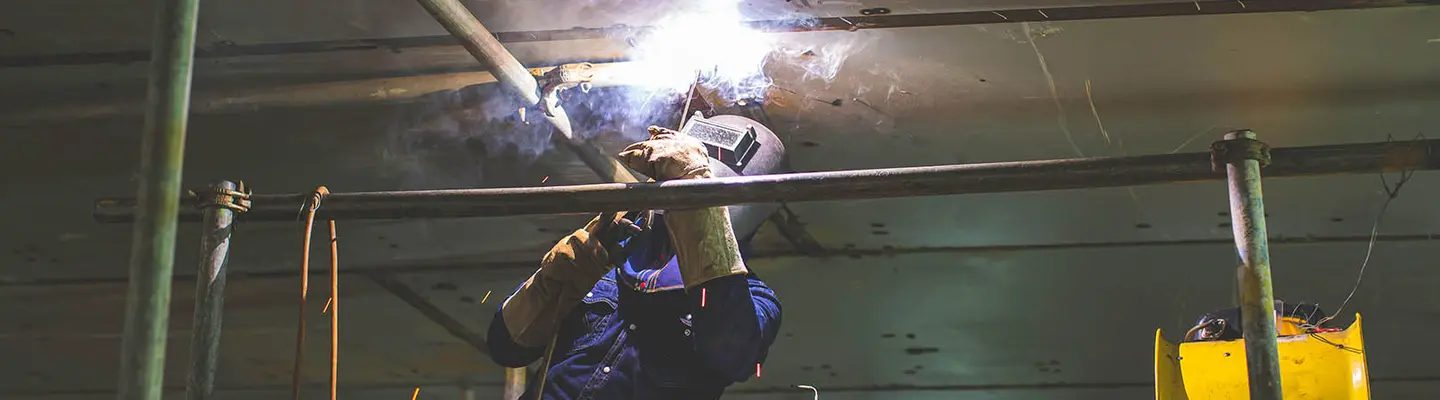
hero arc blast

Arc Blast vs. Arc Flash: What’s the Difference and How Can You Protect Yourself Against Both?

Arc faults cause a blast of light and heat and also a blast of air pressure. Both are potentially deadly threats.

November 2, 2022
  • Safety Tips & Guides

Of all the potential electrical hazards a workplace may pose, the most terrifying and violent is the arc fault. This phenomenon unleashes both an arc flash and an arc blast and is responsible for an estimated average of 30,000 accidents and 400 fatalities in the U.S. each year. Anyone who works on or near energized equipment is probably familiar with arc flashes and should know how to use arc flash protection. But what is an arc blast, and how is it different? Understanding the dangers of each phenomenon is critical.

What is an arc flash?

When an arc fault causes electricity to escape an electrician system, the electricity travels through the air until it reaches another conductor or the ground. The intense light and heat generated from this high-voltage short circuit is known as an arc flash.

The amount of energy released is only slightly less than that of a bolt of lightning, with temperatures approaching nearly 35,000°F, four times hotter than the surface of the sun. The heat is enough to instantly vaporize metals such as copper and steel, ignite clothing and severely burn the skin, eyes and lungs. The closer a worker is to an arc flash when it occurs, the greater the risk of severe injury or death.

What is an arc blast?

Just as a lightning bolt superheats the surrounding air and creates a pressure wave (which eventually transforms into thunder), an arc fault typically generates both an arc flash and a pressure wave, aka arc blast.

The intensity of heat from the arc flash determines the force of the arc blast, but these blast waves can throw an adult to the ground, collapse lungs, damage ears and send molten metal and shrapnel flying at speeds of 700 miles per hour. Workers as far as 10 feet away can suffer arc blast injuries including burns, shrapnel wounds, eye damage and hearing loss.

What causes an arc fault?

Most of the time, an arc fault occurs when an electrician is performing repairs on a piece of equipment. Arc faults can be triggered by many causes, including:

  • Physical contact between an energized part and a body part or a dropped, uninsulated tool

  • Live work on damaged or improperly maintained equipment, including equipment with damaged or deteriorating insulation

  • Improperly installed breakers or switches

  • Worn or loose connections

  • Damaged tools or testing equipment

Approach/protection boundaries

The PPE you’ll need to mitigate the risk of serious injury from an arc flash is dictated by how close you’ll be to exposed energized equipment. The National Fire Protection Association (NFPA) describes three boundaries around exposed energized equipment that determine what level of protection and what level of knowledge and training is needed. The exact distances change based on the voltage of the equipment and must be calculated before work is performed.

Arc flash boundary (outer boundary)

The arc flash boundary is the farthest boundary from the exposed equipment. If an arc flash occurred, a worker at this distance who is not wearing Category 1 PPE would receive second-degree burns. Working any closer to the equipment would result in third-degree burns.

Limited approach boundary

Within this boundary, a worker faces the risk of shock. At this distance, barriers and warnings should be placed to protect workers.

Restricted approach boundary (inner boundary)

Within this boundary, a worker faces an increased risk of shock. Only qualified workers are permitted within this boundary. That person must have the appropriate arc flash training and knowledge and use Category 4 arc-rated PPE. In some cases, an energized work permit may be required.

Arc flash PPE categories: What arc flash PPE do you need?

NFPA 70E, the NFPA standard for electrical safety in the workplace, spells out the PPE needed for four different levels of hazard risk, determined by the incident energy level. Higher hazard risk levels call for clothing and protective gear with a higher arc rating. Arc ratings reflect the incident energy the materials in the PPE protect against, measured in calories per centimeter squared.

Arc flash PPE Category 1: Minimum arc rating of 4 cal/cm2

A Category 1 hazard risk requires PPE with a minimum arc rating of 4 cal/cm2. This PPE is typically adequate for work performed within the arc flash boundary. Equipment includes:

  • Arc-rated long-sleeve shirt and pants

  • Hard hat with arc-rated face shield

  • Leather gloves

  • Leather boots or shoes

  • Ear plugs for arc blast protection

Arc flash PPE Category 2: Minimum arc rating of 8 cal/cm2

A Category 2 hazard risk requires PPE with a minimum arc rating of 8 cal/cm2. Category 2 PPE is nearly the same as the Category 1 PPE (an arc-related jacket is also recommended)

but has a higher arc rating to protect against higher temperatures, and therefore an increased burn risk. This PPE level is often appropriate for work within the limited approach boundary.

Arc flash PPE Category 3: Minimum arc rating of 25 cal/cm2

A Category 3 hazard risk requires PPE with a minimum arc rating of 25 cal/cm2. This category is often associated with work within the restricted approach boundary. Category 3 PPE includes:

  • An arc flash suit including arc-rated pants or coveralls, arc-rated jacket and arc-rated suit hood

  • Insulated rubber gloves with leather protectors

  • Arc-rated eye protection

  • Ear protection

  • Leather boots or shoes

PPE Category 4: Minimum arc rating of 40 cal/cm2

A Category 4 risk requires PPE with a minimum arc rating of 40 cal/cm2. Category 4 PPE includes the same PPE as Category 3 PPE but with a higher arc rating.

Understanding the dangers associated with arc flash and arc blast and knowing the approach boundaries and the PPE needed to protect against both is essential for working safely on or near energized electrical equipment. It could even save a life.

To learn more about protecting yourself from arc flashes and arc blasts, register for our six-hour online electrical safety training course today.

  • Facebook Facebook
  • X X
  • Linkedin Linkedin
  • Email Email
  • Print Print
  • Copy Link Copy Link
  • RSS Feed RSS Feed

Was this article helpful?

Yes No

16 out of 16 found this helpful

Env: QA Login -> Release Tag: builds/2026/43993-release-3.20--2026_02_09_1509

Trending Articles

How to Cut Concrete Using a Concrete Saw
Contractors: Are You Violating OSHA's Portable Toilet Guidelines?
What Is a Mini Excavator Used For?
Wood Chipper Safety: Tips for Avoiding Accidents and Injuries
Locating Pipes with Acoustics and Mapping Software

Footer Social Menu

  • Facebook
  • Linkedin
  • X
  • Youtube

24/7 Customer Care

844.873.4948

Footer Menu

  • Mobile App
    • Download for Android
    • Download for Apple
  • Equipment
    • Rent Equipment
    • Buy Equipment
    • Credit Application
    • Rental Protection Plan
    • United Guard™
    • Download Equipment Catalog
  • Solutions & Services
    • Total Control®
    • Specialty Solutions
    • Industry Solutions
    • Customer Equipment Solutions
    • United Academy
  • Support
    • Find a Location
    • Contact Us
    • Rental Equipment Service
  • About Us
    • Corporate Fact Sheet
    • Corporate Responsibility
    • Our Culture
    • Awards & Recognition
    • Project Uptime
  • Careers
    • Early Career & Development
    • Events
    • Military
    • Search Jobs
  • Investor Relations
    • Annual Reports
    • Presentations

Footer Legal Menu

  • © 2026 United Rentals, Inc.
  • Legal Terms and Conditions
  • Equipment Directory
  • Branch Directory
  • Cookie Settings
United Rentals Home
  • 844.873.4948
  • Europe

    • Français
    • Deutsch
    • English
    • Nederlands

    North America

    • English
    • Español
    • Français
  • Sign In / Register

Main navigation

  • Rent
    • All Equipment
    • Popular Rentals
    • Scissor Lifts
    • Boom Lifts
    • Telehandlers
    • Mini Excavators
    • Skid Steers & Track Loaders
    • Rental Resources
    • Rental Protection Plan (RPP)
    • Why Rent with United Rentals
  • Buy
    • All Used Equipment
    • Popular Used Equipment
    • Buy Forklifts
    • Buy Scissor Lifts
    • Buy Boom Lifts
    • Buy Mini Excavators
    • Buy Compressors
    • Buying Resources
    • Financing
    • United Guard™
  • Total Control
    • Account Dashboard
    • Invoices & Payments
    • Items On Rent
    • UR Mobile App
    • About Total Control®
  • Invoices & Payments
    • Invoices
    • Lien releases
    • Apply for credit
  • Locations
    • Find a Location
  • Training
    • Course Catalog
    • Training Credentials
    • United Academy
    • About United Academy
    • Care & Support
    • United Academy - Course Catalog
  • Solutions
    • Worksite Performance Solutions™
    • Specialty Solutions
      • Commercial Trucks
      • Flooring & Facility Solutions
      • Power & HVAC
      • Climate Solutions
      • Fluid Solutions
      • Trench Safety
      • Reliable Onsite Services
      • Tool Solutions
      • Storage Containers & Mobile Offices
      • Communications
      • Industrial Blinds
    • Power & HVAC
    • Climate Solutions
    • Fluid Solutions
    • Trench Safety
    • Trench Engineered Systems
    • Reliable Onsite Services
    • Tool Solutions
    • Storage Containers & Mobile Offices
    • Commercial Trucks
    • Flooring & Facility Solutions
    • Ground Protection Matting Solutions
    • Industry Solutions
      • Energy & Utility
      • Chemical
      • Oil & Gas Refining
      • Oilfield Services
      • Civil and Infrastructure
      • Restoration and Remediation
      • Government Solutions
      • Agriculture
    • Temporary Industrial Tents
    • Energy & Utility
    • Data Centers
    • Renewable Energy
    • Chemical
    • Oil & Gas Refining
    • Oilfield Services
    • Restoration & Remediation
    • Civil & Infrastructure
    • Government Solutions
    • Events & Entertainment
    • Emergency Solutions
    • Emergency Response
  • Services
    • Digital Solutions
    • Total Control®
    • Mobile App
    • Notifications
    • Benchmarking
    • Wedge
    • Downloadable Catalogs
    • Repair & Maintenance Services
    • Owned Equipment Service
    • Rental Equipment Service
    • Training Services
    • United Academy
  • Safety
    • Safety Training
    • Safety Articles
  • Company
    • About Us
      • About Us
      • Our Culture
      • Board of Directors
      • Corporate Leadership
      • Sponsorships & Partnerships
      • Awards & Recognition
      • Corporate Responsibility Report
      • Small Businesses
      • Project Uptime
    • Investor Relations
      • Annual Report
      • Reports & Proxy Statements
      • Corporate Governance
      • Investor Press Releases
      • Investor Events, Calls & Presentations
      • Research Coverage
      • SEC Filings
    • Sustainability
    • Careers
      • Search Careers
      • Career Areas
    • Events
      • Events Calendar
      • Webinar Series
    • In the News
    • Press Releases
    • Project Uptime Blog
    • Case Studies